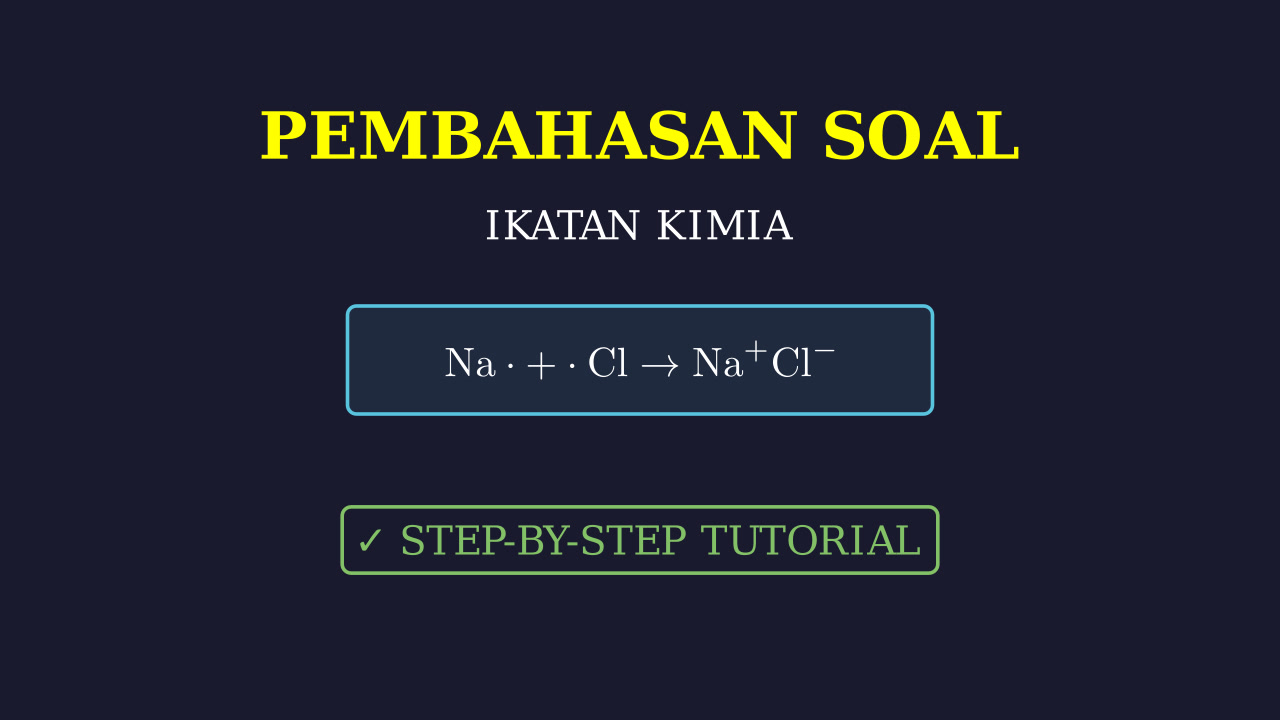
Let us break down the solutions. For question one, atomic number nine is Fluorine, which needs one electron and forms an ionic bond with Potassium at number nineteen. In question two, atom Z has a configuration of two, eight, eight, two, so it forms a Z two plus ion, creating the compound Z F two. Remember, valence electrons are the outermost electrons involved in bonding. Ionic bonds form most easily when there is a large difference in electronegativity. Looking at periodic trends, Potassium releases electrons most easily because it has the lowest ionization energy. Covalent bonds are characterized by the sharing of electron pairs. While ionic compounds are brittle and have high melting points, being easily soluble in water is not a universal property. In K O H, we find both ionic bonds between the ions and covalent bonds within the hydroxide ion. Polarity is determined by the largest electronegativity difference, which is two point five for D A. Also, note that Helium follows the duet rule rather than the octet rule. Stability is achieved by moving electrons; pairing is simply the result. Small ionization energy leads to positive ions, and when element A with two valence electrons meets element B with six, they form the ionic compound A B. An element with a configuration of two, eight, six is a non-metal, so calling it a metal is incorrect. Finally, metallic bonding involves a sea of electrons, which is why metals are such excellent conductors of heat and electricity. Great job reviewing these fifteen concepts!